
Common Mistakes When Planning a Rural Weekend Getaway (and How to Avoid Them)
A rural weekend looks simple on paper. Book a room, drive out, eat well, walk somewhere green. Then the restaurant kitchen stops taking orders at two, the only fuel station within twenty kilometres shut at noon on Saturday, and the key to the farmhouse is in a lockbox nobody mentioned. None of these is a disaster on its own. Together they can turn two restful days into a small logistics exercise.
The difference between a smooth weekend and a frazzled one is rarely money or luck. It is a handful of checks made before you leave, plus a bit of humility about how the countryside actually works.
Assuming the Countryside Keeps City Hours
In small towns, the day follows meals, seasons and daylight rather than a shopfront chain's schedule. Groceries close for lunch. Some family-run places take Monday off, others close midweek, and quite a few shut entirely outside the season. Restaurant kitchens tend to stop accepting orders well before the door is locked, so a nine o'clock arrival at a place that "closes at ten" can mean no dinner.
Online opening hours are a hint, not a promise. They are updated by whoever remembers, sometimes once a year. A phone call between ten and noon settles it faster than three websites: ask whether they are open on the day you plan to arrive, and until what time you can still order. Two questions, thirty seconds.
The same applies to the places that make a rural weekend worth the drive: a cheese maker who shows visitors around the ageing room, a church with frescoes that opens when the volunteer with the key is around, a vineyard that receives guests only on Saturday afternoons. Assume nothing is open by default, and you will be pleasantly surprised rather than stuck.
Booking the Bed and Leaving the Rest to Chance
Accommodation is usually the only thing people reserve. Everything that makes the weekend memorable is often left to luck. Farm stays that serve dinner cook for a set number of guests and need to know by morning. Tastings, guided walks and small museum visits frequently run on request only, or on one day a week. A table for Sunday lunch in a village of four hundred people is not something you can decide on at 12:30 while driving.
Book the things that close. Leave flexible the things that don't. A walk doesn't need a reservation; a cellar tour does.
Two more booking gaps are worth closing before you pay a deposit. The first is arrival: rural hosts rarely have a staffed reception, and many hand over keys in person at a reasonable hour. If you expect to arrive after eight in the evening, say so before booking, not the day before. The second is the address. "Via Roma, Montecastello" is not a pin. Ask for the exact location and whether the last stretch is paved or gravel, then ask whether a low car will manage it.
Treating the Weather Forecast as a Formality
Hills and coasts make their own weather. A valley can sit in fog while the ridge above it is in sun, and summer afternoons in the mountains often end with a storm that arrives faster than the walk back. Spring means mud, autumn means wet leaves on stone paths, winter means short days and cold that arrives the moment the sun drops behind the hill.
Check the forecast the morning you leave and again before bed. More useful than a rain plan in the abstract is a specific one: the short walk that stays under trees, the village with the covered market, the museum you'd otherwise skip, the trattoria where a long lunch is a perfectly good way to spend a wet afternoon.
If you're travelling in winter or on mountain roads, check what equipment is required where you're driving, since rules vary by season and region, and carry what's asked for. For footwear, grip matters more than style. A pair of boots you don't mind getting muddy changes a walk from a careful shuffle into an actual walk.
Fuel, Range and the Road Less Travelled
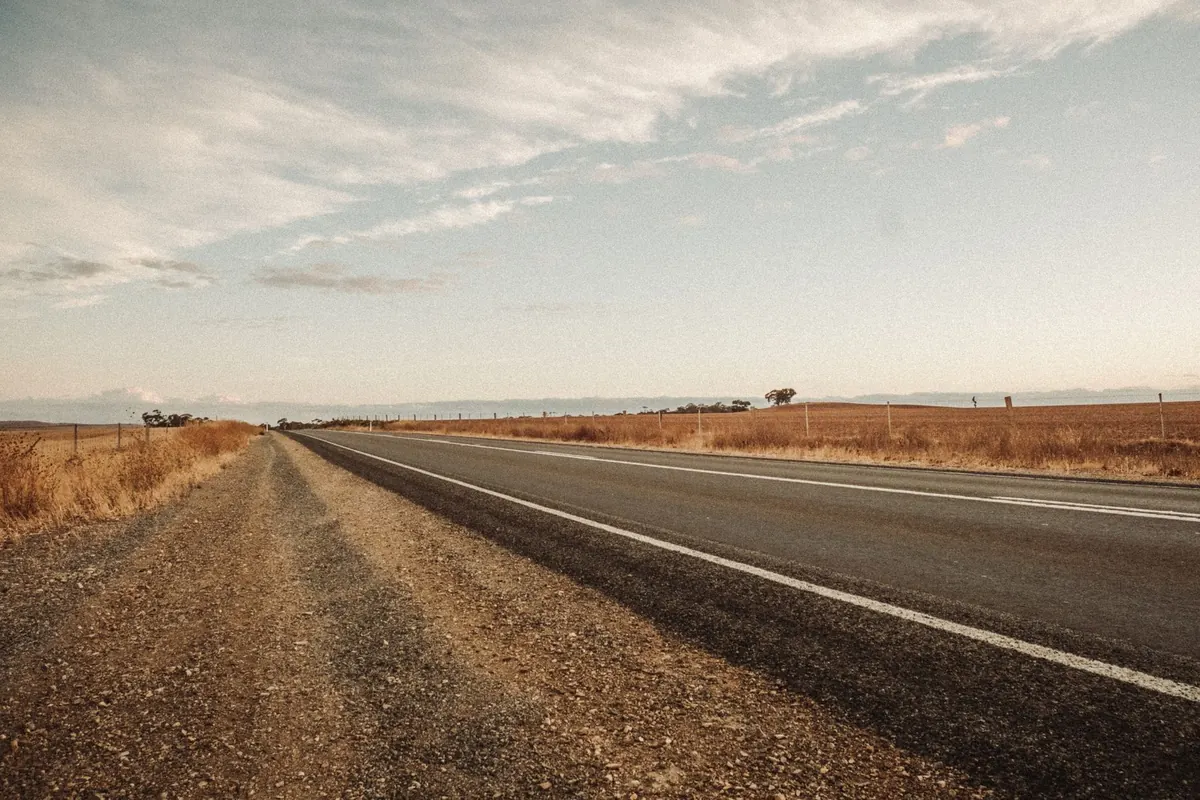
Fuel is the mistake that turns a minor delay into an evening of phone calls. Small stations keep short hours, close for lunch, shut on Sundays and sometimes close without notice. Unstaffed pumps may be card-only, and a foreign card that works elsewhere can be refused. The habit worth building is simple: fill up before you leave the main road, not when the light comes on.
- Top up on the way out of the last sizeable town, even if the tank is half full.
- Note the time: many rural stations close between roughly midday and three, and again on Sunday.
- Download offline maps before leaving. Signal gaps are normal, and so are wrong turns taken while waiting for the blue dot to reappear.
- Measure the last stretch in time, not kilometres. Forty minutes of winding road is not the same as forty minutes of motorway, and gravel adds more.
- Aim to arrive before dark on the first night. Finding a farmhouse gate at night, with no street lights and a tired driver, is nobody's idea of a holiday.
- Read the parking signs in village centres. Restricted zones and resident-only spaces are enforced, and a ticket is a sour start to a lovely morning.
On narrow roads, use the passing places, keep to your side on blind bends, and don't treat the horn as aggression; a brief toot before a tight corner is ordinary courtesy in many rural areas.
Packing for a Photograph Instead of a Place
The most common packing error isn't forgetting something. It's bringing the version of yourself that appears in the photos: clean shoes, one light jacket, a plan built around terraces and viewpoints. The countryside asks for slightly different equipment, and a small kit covers almost everything:
- Shoes with real grip, plus a second pair that can stay clean for dinner.
- Layers rather than one heavy coat; mornings and evenings are cooler than the afternoon forecast suggests.
- A waterproof shell that folds small, and a warm hat out of season.
- A torch or headlamp, because rural lanes have no street lighting.
- Cash in small notes, useful where cards are awkward or unwelcome.
- A refillable water bottle, a basic first-aid kit, and any medication you might need.
- A power bank and a car charger, since long days out drain phones fast.
- A cooler bag or basket if you plan to buy produce at a market or farm gate.
Skimming the Small Print of a Rural Stay
Farmhouses and self-catering cottages don't operate like hotels, and the differences usually live in the details rather than the description. Ask directly, in writing, about anything that would annoy you later: whether heating or firewood is charged separately, whether linen and towels are included, what the cleaning fee covers, and what time you must be out. Ask about waste, too. In small municipalities, rubbish collection can be strict and infrequent, and hosts often expect guests to separate and take away what they produce.
Two more questions repay the effort. How reliable is the internet, and is there a landline or mobile signal at all? If you're counting on a quiet Friday of remote work, "Wi-Fi available" can mean a router in the main house and a bench outside. And what is the water situation? Some rural properties run on tanks, which makes a very long shower a poor idea. None of this is a reason to avoid a place. It's a reason to know before you arrive.
A Short Checklist Before You Leave
None of this requires spreadsheets. An hour of preparation, spread over the week before you go, covers almost every pitfall above.
- Confirm the accommodation address, check-in window and exact pin, and save the host's phone number.
- Book the one or two things that genuinely require it: dinner at the farm, the tasting, the guided visit.
- Check opening days for any restaurant, shop or site you're counting on, and phone the important ones.
- Look at the forecast, then decide on a wet-weather option and pack accordingly.
- Plan the fuel stop and download offline maps for the whole route.
- Put cash, a torch and proper shoes in the car.
- Leave the itinerary loose after the first evening.
The point of these checks isn't to schedule the weekend to death. It's to clear the small obstacles out of the way so that the unplanned parts — the extra hour at the table, the detour to a village you'd never heard of, the walk that goes longer than intended because the light was good — have room to happen.
Photo: Matt Webster / Pexels