
What to Look for in a Vintage Copper Pot Before You Use It
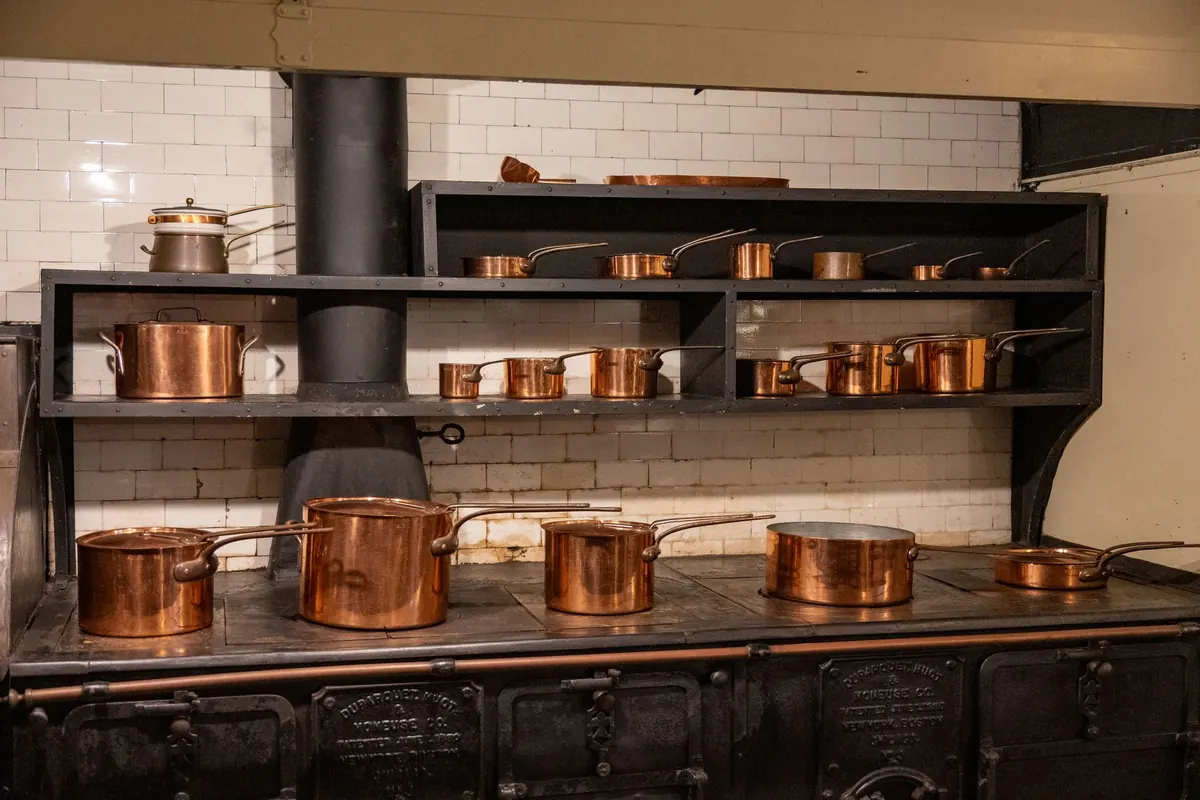
A good copper pot gives itself away at the handle. Pick it up and it has a certain heft, a solidness that thin decorative pans never manage. The rim feels rolled rather than sharp. The base sits flat on the table. Then you look inside, and the real decision begins. At a flea market or estate sale, a handsome copper exterior can hide a worn tin lining, a loose rivet, or a crack that someone has polished over. Before you carry it home and start dreaming of marmalade, give it a proper inspection.
Start With the Lining
The lining is the layer between your food and the copper. It decides whether the pot is a working kitchen tool or a display piece. Most old copper cookware falls into one of three groups: tin-lined, stainless-steel-lined, or unlined copper.
Tin is the traditional lining. It looks like soft, slightly matte silver, and it wears. You will often see copper showing through at the bottom, along the curve where a spoon has scraped, or near the rim. A little discoloration is normal. A patch of bare copper in the cooking surface is not. Tin can be renewed by a competent tinsmith, but that is a job to price into the purchase, not a quick DIY fix.
Stainless steel is the tougher modern lining. It looks brighter and harder, and it usually has a visible line where it meets the copper at the rim. Check that edge closely. Look for separation, bubbling, or deep scratches that catch a fingernail. A stainless lining that is firmly bonded and smooth is a practical choice for everyday cooking.
Nickel linings appear in some older pots. They look like dull silver and can be durable, but nickel can cause reactions in people with a sensitivity to it. If that is you, pass.
Unlined copper has a bare copper interior. It is traditional for sugar work and for beating egg whites, but it is not a general-purpose cooking pot. Acidic foods—tomatoes, vinegar, lemon, wine—react with copper. If you want a pot for stews, sauces, and everyday vegetables, choose a sound lined one.
- Good sign: an even lining with no bare copper at the cooking surface.
- Caution: worn patches, scratches that expose copper, or a lining that looks chalky and thin.
- Walk away: a green, fuzzy interior, a strange coating you cannot identify, or a lining separating at the rim.
- Ask: “Has this been retinned, and when?” A vague answer means you inspect harder.
Tarnish Is Not the Same as Damage
Old copper goes brown, then dark, then almost black in places. That surface tarnish is mostly cosmetic. A dull exterior can be polished back, and many buyers prefer a pot with some age on it. What matters is what the tarnish is hiding.
Green corrosion is different. A powdery or fuzzy green patch inside the pot, around rivets, or under the rim is a warning. Clean it away only if you can do so without damaging the lining, then inspect what is underneath. Heavy corrosion around a rivet can mean the joint has been sitting damp for years. On a tin-lined pot, do not attack the interior with abrasive pads or strong acids to make it shine. You will take off the very layer you need.
Bright polish is not proof of quality. Sellers often polish the outside and leave the inside honest. Turn the pot toward a window or use a phone flashlight. Look at the bottom, the curves, and the rim. A rosy blush on bare copper is just copper. On a tin-lined pot, a rosy patch means the tin has worn thin.
Check the Body, Base, and Seams
Copper should feel thick and substantial for its size. Very thin copper heats and cools quickly but can scorch delicate food and dent easily. Thick copper is heavier and steadier. Neither is automatically better for every cook, but you should know what you are buying.
Weight and wobble
Set the pot on a flat counter and press the rim. A small wobble may come from a dented base; a serious rock means the bottom is warped. A warped base on a copper pan is not always fatal, but it is annoying on a flat electric hob and can make stirring awkward. Side dents are usually cosmetic. Dents in the base, cracks at the rim, and splits near handle mounts are more serious.
Seams and repairs
Older copper pots often have dovetail seams, where the ends of the copper sheet interlock. A tight, clean seam is a sign of good work. A dark, crusty seam may simply be old solder or accumulated grime, but a visible split is a problem. Repairs can be sound, especially by an experienced tinsmith, but they should be obvious and reflected in what you pay. Do not assume a handsome maker’s mark means the pot is flawless. Turn it over and look at the joins.
Handles and Rivets
A pot can have a beautiful body and a handle that lets you down. Cast iron and brass handles are common on old copper. They get hot, so plan on a folded cloth or a sturdy mitt. Check that the handle is firmly attached. Wiggle it gently; there should be no click or movement. Look inside the pot at the rivets. They should be tight and clean, not corroded or surrounded by green crust.
Wooden handles need their own check. Look for cracks, scorching, and looseness. A handle that rotates slightly may be a simple repair, or it may mean the rivet hole has enlarged. If the handle is comfortable in your hand and the pot balances well when empty, that is a good sign. If it feels awkward now, it will feel worse when full of hot food.
Safety Checks Before the First Cook
Bring the pot home and treat it like a piece of equipment, not a treasure. These checks take ten minutes and save regret.
- Inspect the lining in good light. Run a fingernail gently across the cooking surface. If tin is worn through to copper over a large area, have it retinned or do not cook in it. If stainless is lifting at the rim, set the pot aside.
- Reject cracks, pinholes, and loose rivets. A crack can spread with heat. A pinhole in a tin lining exposes copper. A loose rivet can leak or fail when the pot is full.
- Do a water test. Fill the pot with water, set it on a dry cloth, and leave it for twenty minutes. Check the seams and rivets for seepage. Dry the pot thoroughly afterward, especially around the handle mounts.
- Wash gently and dry at once. Use warm water and mild soap. Do not put tin-lined copper in the dishwasher. Do not scour the interior with steel wool. Dry with a towel and leave the pot open to air.
- Cook something neutral first. If the lining is sound, start with water, vegetables, or a simple fried egg. Avoid tomatoes, vinegar, lemon, and long-simmered wine sauces until you know how the pot behaves. Never heat an empty tin-lined pot hard; tin is soft and can be damaged by high heat.
If a pot has heavy green corrosion inside, a worn-through lining, or a coating you cannot identify, do not guess. Ask a reputable tinsmith or restorer to look at it, and if you have health concerns about copper exposure, speak to a qualified professional. A copper pot should earn its place through good cooking, not through worry.
The Final Test at the Market
Pick the pot up. Set it down flat. Look inside with your flashlight. Press the rim, wiggle the handle, and check the rivets. If the lining is sound, the base sits still, and the handle feels right, you have found a useful piece. If any of those fail, leave it for someone who wants a planter. A vintage copper pot is worth buying when it can still do the job it was made for—and the best one is the one you will actually use.
Photo: Beth Fitzpatrick / Pexels