

How to Start a Small Country Kitchen Garden: A Beginner’s Month-by-Month Guide
A kitchen garden earns its keep in small, unglamorous ways: a handful of chives snipped over eggs, the first cut-and-come-again salad of April, a glut of courgettes in August that forces you to be inventive. It asks for less than most people expect — a patch of sun, decent soil, a tap within reach, and twenty minutes on a few mornings a week. What it does demand is timing. Seeds sown a fortnight late, brassicas set out in the heat of July, garlic planted in spring rather than autumn: these are the mistakes that turn a first year into a run of small disappointments. So here is a plan that spreads the work across twelve months, assumes you are starting from rough grass or a neglected bed, and keeps the ambition modest enough that you are still gardening in October.
Before You Dig: Choose the Spot and Fix the Soil
Spend a week watching your plot before you touch a spade. Fruiting crops — tomatoes, courgettes, beans — want six hours of direct sun or more; leafy things will manage on four or five. Put the garden as close to the kitchen door as you can bear, because the jobs people abandon first are the ones that require Wellies and a walk. A water source near the beds matters more than a beautiful view. So does a little shelter from the prevailing wind, without full shade.
Then get to know the soil. Take a handful from planting depth when it is damp, squeeze it in your fist and open your hand. If it crumbles as you poke it, you have loam and can plant almost anything. If it holds its shape and smears like plasticine, it is clay: rich but cold and slow to drain. If it falls apart immediately, it is sandy: warm and easy to work, but it dries out and leaches nutrients. Compost improves all three, given time.
Spread five to eight centimetres of well-rotted compost over the surface each year and let the worms take it down; there is no need to double-dig. Never tread or dig heavy clay when it is wet — you will make brick. Lay out beds no wider than 1.2 metres so you can reach the middle from both sides, with paths of 40–50 centimetres, and keep those beds permanent. Raised beds and containers work well where drainage or access is a problem, but they dry out faster and need more compost, so budget for that.
Choose Crops That Forgive a Beginner
Grow what you actually eat, and cap the first year at eight or ten crops. A garden stuffed with everything is a garden where the thinnings never get done and the weeds win by June.
- Salad leaves and rocket. Four to six weeks from sowing to harvest. Sow a small pinch every three weeks and cut rather than pull.
- Radishes. Roughly a month from seed. Thin them properly or you get leafy tops and nothing to eat.
- Courgettes. Two plants will bury a household; one is plenty to learn on.
- Swiss chard. Keeps producing for months and shrugs off cold in mild climates.
- Bush beans. Quick, no supports needed, and they leave nitrogen behind.
- Garlic and onions. Plant in autumn, then it is mostly weeding and waiting.
- Cherry tomatoes. Far more reliable outdoors than large beefsteak varieties.
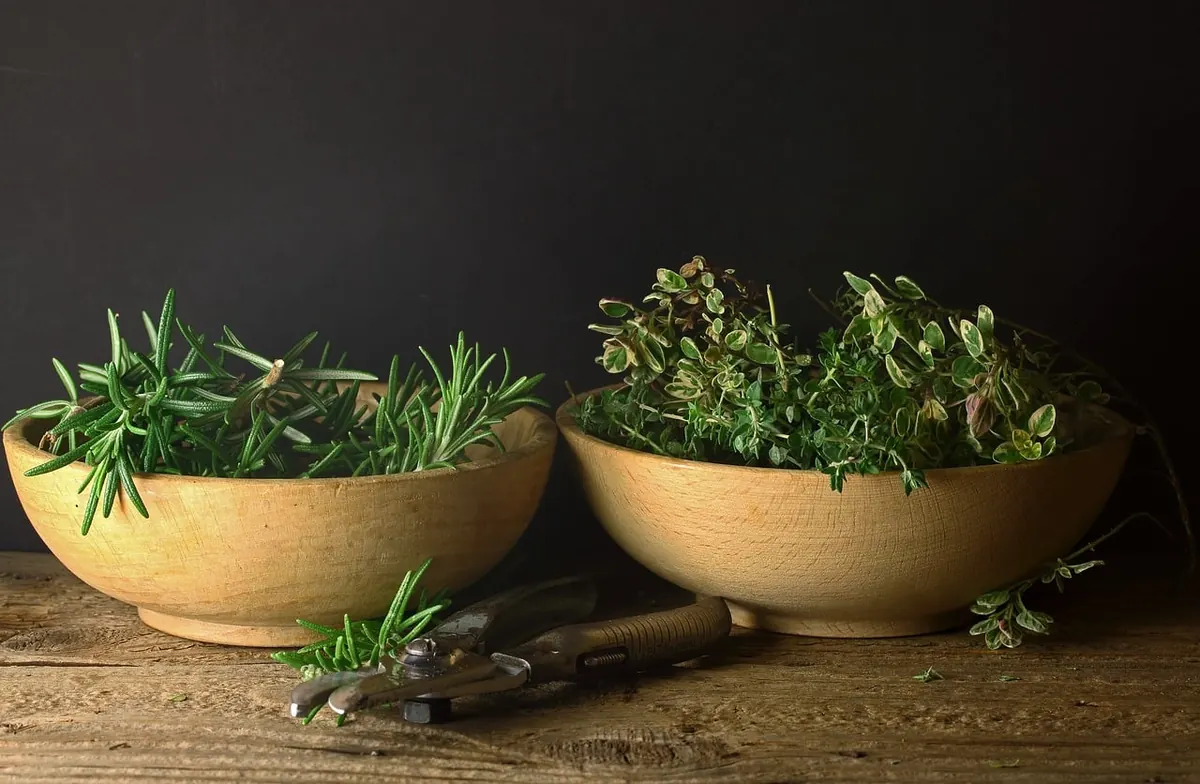
- Herbs. Parsley, chives, thyme and sage; keep mint in a pot or it will take the bed.
- New potatoes. Easy, and the digging helps break up rough ground.
Leave cauliflower, celery, outdoor aubergines and fennel from seed until year two. They are not difficult forever, just unforgiving of a first attempt.
The First Year, Month by Month
Late winter (January–February)
Order seed from two or three reliable suppliers rather than a dozen, and store the packets cool and dry — most will keep for several seasons. Sketch the plot on paper and note where each family of crops goes, so you can rotate next year. On a bright windowsill you can start onions and leeks in January; February is time for broad beans and a first sowing of hardy salad under fleece or cloche. Sharpen the hoe, clean the pots, and get a compost heap going: roughly half green material, half brown cardboard, leaves or straw.
Spring (March–May)
March is for tomatoes, peppers and aubergines indoors under as much light as you can give them, and for direct sowings of broad beans, spinach and early carrots under cover. Prepare beds only when the soil is workable — a handful should crumble rather than clump. In April, plant chitted potatoes and sow beetroot, carrots, lettuce, radish and peas. Harden off indoor-raised seedlings over a week to ten days before they go out. May, after the last frost, is the big planting month: tomatoes, courgettes, beans and squash. Water them in, stake what needs it, and mulch straight away. If you do not know your last frost date, ask a neighbour with a garden — local knowledge beats any chart.
Summer (June–August)
Keep sowing salad in small batches every two or three weeks, and sow winter greens in July. Water deeply twice a week rather than sprinkling daily; shallow watering trains roots upwards into dry soil. Pick courgettes every other day, or they turn into marrows overnight. Pinch out tomato sideshoots and start a weekly liquid feed once the first truss has set. In August, clear spent crops, sow a green manure on empty beds, and order garlic and autumn onion sets while the choice is good.
Autumn and early winter (September–December)
September: plant garlic and overwintering onions, sow winter salad under cover, and bag up fallen leaves for leafmould. October: lift the last potatoes, clear tender crops, mulch the beds, and plant bare-root fruit bushes while they are dormant. November is for tidying, protecting and putting tools away dry. December is mostly rest — read your notes, plan next year, and stay off wet soil.
Watering, Feeding and the Ten-Minute Weed
Water the soil, not the leaves, and do it in the morning when you can. New transplants need a daily soak for their first week, then less. A mulch of straw, compost or a thin layer of grass clippings will cut your watering by a noticeable amount and keep the soil life happy. Compost is the real feed; a diluted liquid feed made from comfrey or nettle helps hungry crops in containers, but more is not better. As for weeds, ten minutes with a hoe on a dry morning, while they are still tiny, will save you a lost Saturday in July. Net the brassicas, go slug-hunting at dusk with a torch, and accept that some losses are part of the arrangement.
Keep Notes and Rotate
A cheap notebook beats memory. One line per sowing: date, variety, what the weather did, what happened. By autumn you will know which lettuce bolted and which carrot variety actually came up. Group crops into families — legumes, brassicas, roots, potatoes, alliums — and move them round the beds on a three- or four-year cycle to keep soil pests and diseases guessing. Resist expanding until the current plot feels easy. A second bed dug in enthusiasm and abandoned in July helps nobody.
The Garden You Will Actually Keep
Start with three tasks this week: mark the sunniest corner of the plot, order your seed, and build a compost heap. Everything else follows from those. The first year will not look like the photographs, and it should not — a working kitchen garden has bare patches, bolted lettuces and a bucket of slugs in it. What matters is that something comes to the table. Pick the first radish, note the date, and plant another row.
Photo: Bluesnap / Pixabay